
How to Stop Pump Cavitation in Industrial Cooling Tower Basins Without Dropping Flow Rates
July 15, 2026
What Stainless Steel Is Best for Saltwater and Corrosive Environments?
August 26, 2026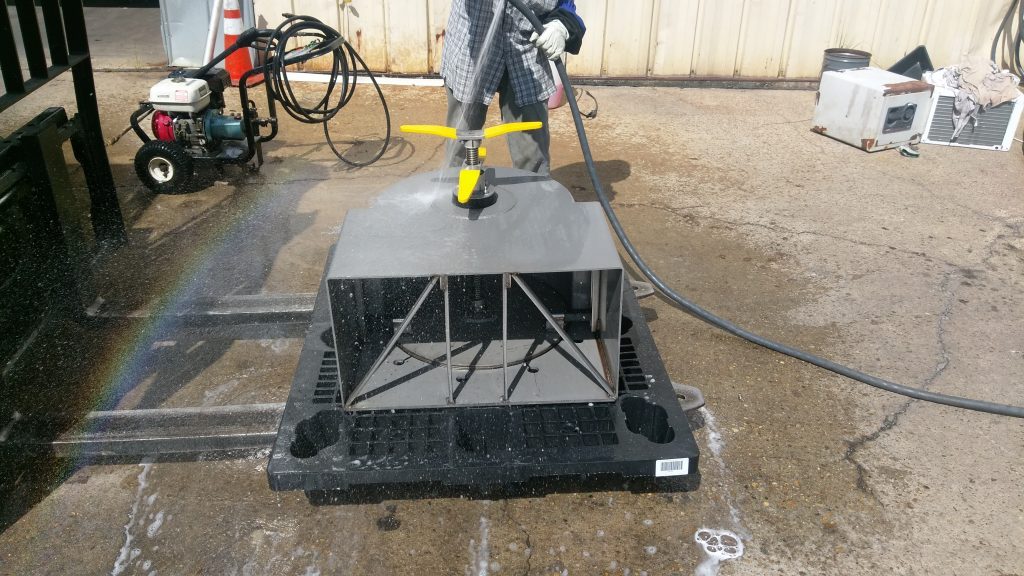
Cooling tower valves play a critical role in regulating water flow throughout industrial cooling systems. When valves operate properly, they help maintain balanced flow conditions, support efficient heat transfer, and stabilize system performance.
When valve operation becomes inconsistent, however, the effects can spread throughout the entire cooling tower system. Uneven flow, fluctuating water levels, and poor distribution can all reduce cooling efficiency while increasing strain on pumps and other equipment.
Understanding how improper valve operation affects cooling tower performance helps facilities identify problems earlier and improve long-term system reliability.
Why Are Cooling Tower Valves Important?
Cooling tower valves help control the flow of water throughout the system. In multi-cell cooling towers, valves regulate flow distribution between cells to maintain balanced operation and support efficient cooling performance. Proper valve control enables facilities to adjust water flow in response to operating demand while maintaining system stability.
When valves operate correctly, they help support:
• Consistent water distribution
• Stable basin conditions
• Balanced cooling tower operation
• Improved heat transfer efficiency
• Reduced stress on pumps and piping
Because cooling tower systems rely heavily on stable water movement, valve performance directly affects overall efficiency.
How Does Improper Valve Operation Affect Water Distribution?
Improper valve operation can create uneven water flow throughout the cooling tower system. Valves that stick, fail to seal properly, or respond inconsistently to adjustments may cause some tower cells to receive too much water while others receive too little. These imbalances can reduce cooling performance and create unstable operating conditions.
Common signs of valve-related flow issues include:
• Uneven cooling between tower cells
• Fluctuating basin water levels
• Reduced flow control accuracy
• Increased pump strain
• Inconsistent system temperatures
Over time, unstable flow conditions can contribute to higher energy use and increased equipment wear.
Can Faulty Valves Increase Cooling Tower Energy Consumption?
When flow conditions become unbalanced, pumps and cooling equipment often work harder to maintain performance. Restricted or unstable flow caused by improper valve operation can increase resistance throughout the system, forcing pumps to use more energy to maintain circulation.
Facilities may experience:
• Increased pump operating loads
• Reduced cooling efficiency
• Higher energy consumption
• Greater mechanical wear on equipment
• Increased maintenance requirements
Even relatively small flow inconsistencies can create noticeable efficiency losses over long operating periods.
How Do Cooling Tower Valve Problems Affect Reliability?
Valve performance issues rarely remain isolated to one component. Because cooling tower systems depend on stable water circulation, poor valve operation can affect multiple areas of the system simultaneously. Uneven flow conditions may place additional stress on pumps, piping, exchangers, and distribution components.
Over time, these conditions can increase the likelihood of:
• Premature equipment wear
• Flow instability
• More frequent maintenance
• Unplanned downtime
• Reduced operational lifespan of system components
Maintaining reliable valve performance is an important part of protecting long-term cooling tower reliability.
What Causes Cooling Tower Valves to Operate Improperly?
Several factors can contribute to valve performance problems in industrial cooling tower systems.
Common causes include:
• Corrosion and material degradation
• Debris accumulation within valve assemblies
• Mechanical wear over time
• Improper sizing or installation
• Lack of regular inspection and maintenance
Industrial cooling tower environments expose valves to continuous moisture, temperature fluctuations, and waterborne contaminants, all of which can accelerate wear if components are not properly engineered for these conditions.
How Can Engineered Cooling Tower Valves Improve Efficiency?
Engineered flow control valves are designed to maintain stable water distribution while minimizing operational strain throughout the cooling system.
Advanced valve designs help facilities improve flow control accuracy, maintain more balanced water distribution between cooling tower cells, and reduce unnecessary stress on pumps and piping. More stable flow conditions also improve cooling efficiency while helping minimize downtime and ongoing maintenance requirements.
At CTVS, we design cooling tower flow control solutions for demanding industrial applications where reliable performance and long-term durability are essential.
Vari-Flow valves from CTVS are engineered specifically for demanding industrial cooling tower applications. Designed to support stable flow conditions and long-term reliability, these valves help facilities improve cooling tower efficiency while reducing maintenance and operational disruptions.