
Best Materials for Cooling Tower Valves: Stainless Steel vs. UHMW-PE
September 23, 2025
Cooling Tower Valves: Choosing the Right Partner for Industrial Applications
October 23, 2025Cooling Tower Valves & Screens in the Gulf Coast: Fighting Corrosion with the Right Materials
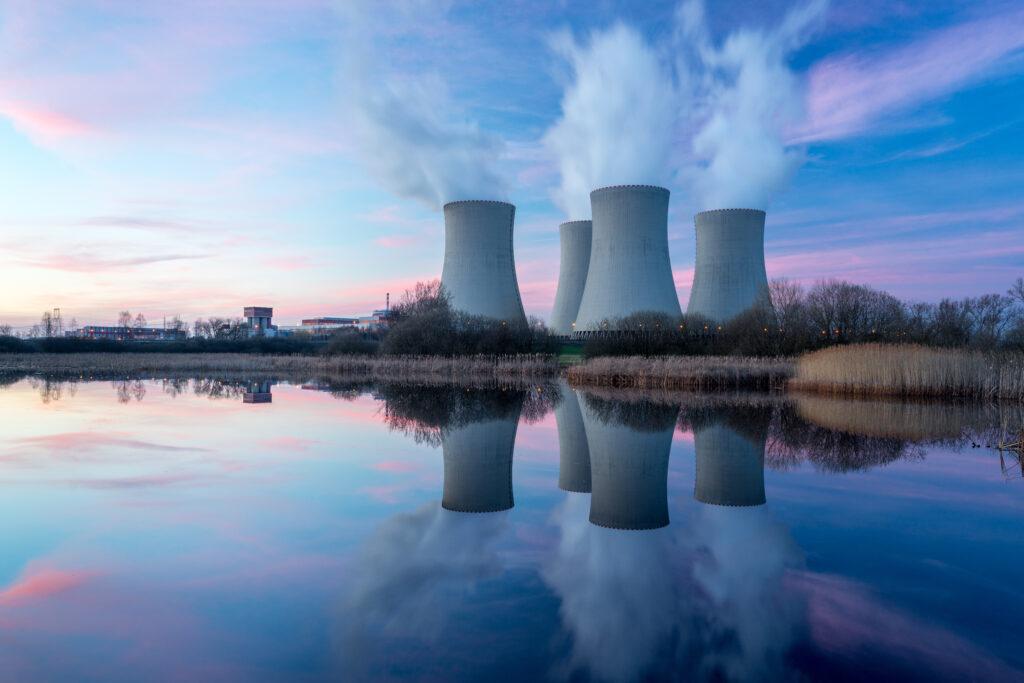
Cooling towers are essential to refinery operations along the Gulf Coast, where hot, humid conditions demand efficient and reliable cooling systems. Custom traveling screens already play a key role in protecting this critical infrastructure by filtering debris and improving water quality. Yet even the best screen design can underperform if built from the wrong materials. In the Gulf Coast’s highly corrosive environment, material choice for valves and screens directly impacts performance, reliability, and long-term costs.
The Gulf Coast Challenge: Corrosion Everywhere
Refineries in this region face some of the harshest environmental conditions in the country. Salt-laden air, high humidity, chemical exposure, and biofouling all accelerate corrosion. Unlike inland facilities, Gulf Coast refineries contend with a near-constant assault of these factors, creating a uniquely aggressive environment for cooling tower infrastructure. The proximity to saltwater means that airborne chlorides attack metal surfaces daily, while persistent humidity prevents equipment from fully drying out. Add in refinery-specific chemical exposure and organic buildup in water systems, and the result is a perfect storm for accelerated deterioration.
The Risks of Corrosion to Your Cooling Tower Valves & Screens
Left unchecked, corrosion creates multiple risks for refineries, including:
- Weakened valves that compromise flow control and overall cooling efficiency.
- Clogged screens that restrict water intake and increase strain on pumping systems.
- Unplanned downtime that disrupts operations and leads to lost productivity.
- Costly replacements of critical equipment far sooner than expected.
- Safety and compliance risks if compromised systems fail to meet regulatory standards.
For refinery managers, the choice of screen and valve material isn’t simply a technical detail, it’s a frontline defense against corrosion-related failures.
Material Options for Cooling Tower Valves and Screens
The best defense against corrosion begins at the design stage with careful selection of durable, low-maintenance materials.
Stainless Steel Stems
Strengths: Long-lasting durability and resistance to corrosion.
Considerations: Used in Vari-Flow™ valves to ensure dependable operation in demanding environments.
UHMW-PE Plastic Bushings
Strengths: Reduce friction and eliminate the need for constant greasing or lubrication.
Considerations: Provide smooth performance and extend the life of stainless steel stems.
Corrosion-Resistant Metals
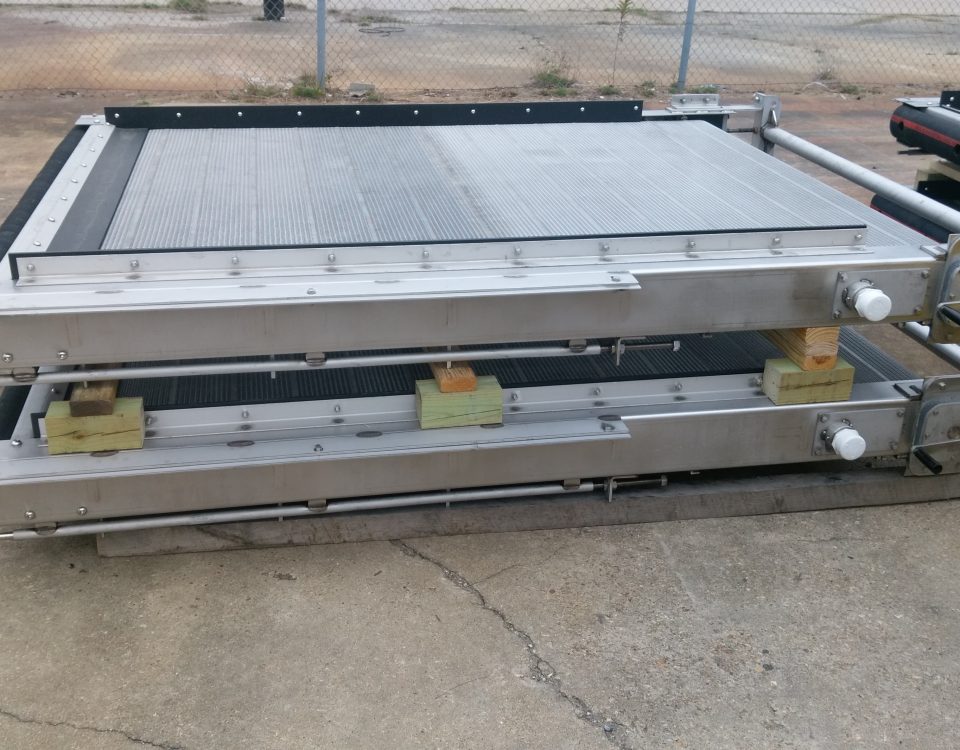
Strengths: Traveling sump screens are built from corrosion-resistant metals that withstand harsh refinery water chemistries.
Considerations: Improve system protection by resisting rust and deterioration in Gulf Coast conditions.
Best Practices for Extending Cooling Tower Screens and Valves Lifespan
Even with strong materials, design and maintenance practices play a key role in maximizing performance. Refinery operators should focus on:
Regular Inspection Schedules
Identify early signs of wear or corrosion before they affect cooling tower performance.
Optimized Design
Ensure screens and valves are engineered to reduce debris buildup and minimize exposure to corrosive elements.
Proactive Maintenance
Cleaning and servicing valves and screens on a planned schedule helps prevent emergency failures and costly downtime.
Long-Term Value of Smart Cooling Tower Material Choices
While corrosion-resistant alloys and coatings may cost more initially, the long-term benefits outweigh the price tag. Refineries that invest in the right materials reduce downtime, lower maintenance costs, and extend the operating life of critical cooling tower systems.The result is greater reliability, compliance, and efficiency in one of the harshest industrial environments.
In refinery cooling towers, material choice directly impacts reliability and longevity. By selecting valves and screens constructed with stainless steel stems, UHMW-PE bushings, and corrosion-resistant metals, operators can better protect their systems against the challenges of the Gulf Coast environment. Combined with proper inspection and maintenance, these design choices lead to longer service life and greater efficiency.