
Proven Ways to Prevent Cooling Tower Damage with Vari-Flow Valves
October 8, 2026
What Are Stationary Cooling Tower Screens? Equipment Protection and Performance Benefits
October 24, 2026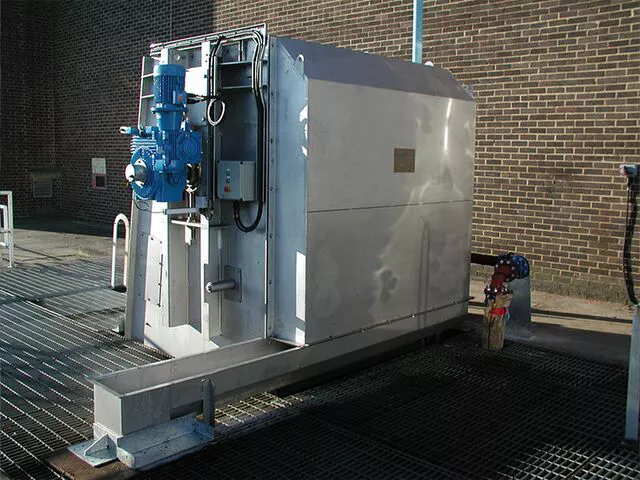
Editor’s note: This post was originally published in May 2023 and has been updated for accuracy and relevance.
Traveling water screens, also known as traveling sump screens, help industrial facilities manage debris in cooling tower systems while reducing routine maintenance labor and costs. Unlike static water screens, which typically require manual cleaning, traveling screens use an automated mechanism to move and clear accumulated debris, helping maintain water flow and protect downstream equipment.
For facilities looking to improve operational efficiency, reduce maintenance demands, and minimize avoidable disruptions, traveling cooling tower screens offer a practical alternative to conventional screening methods. Understanding the differences between traveling and fixed cooling tower screens can help facility managers determine which screening approach best fits their debris load, maintenance requirements, and operating conditions.
How Do Traveling Cooling Tower Screens Work?
Traveling cooling tower screens use a motor-driven mechanism to remove accumulated debris automatically, helping maintain water flow and protect downstream equipment. This automated cleaning process helps prevent debris buildup without requiring personnel to remove the screen for manual cleaning.
As water passes through the screen, debris is captured before it can reach downstream equipment. The screen then moves through a cleaning cycle, helping clear accumulated material and maintain effective filtration. This self-cleaning capability reduces the need for routine hands-on maintenance and allows facility personnel to focus on other operational priorities.
The screen’s motorized movement and cleaning mechanism remove debris periodically without taking the entire screen out of service for manual cleaning. Depending on the system design, this automated process can help maintain screen performance, reduce labor requirements, and support more consistent water flow.
By automating a recurring maintenance task, traveling water screens can help facilities manage debris more efficiently than conventional static screening methods.
What Should You Consider When Selecting a Cooling Tower Screen?
The right cooling tower screen depends on your facility’s operating conditions, expected debris load, water flow requirements, and available maintenance resources. Choosing a screen that matches these factors helps protect downstream equipment while supporting reliable system performance.
Before selecting a screen, consider the following factors:
- Debris size and type: Identify the materials likely to enter the system and determine what the screen needs to capture.
- Expected debris volume: Consider how much debris the screen will encounter and how frequently it may require cleaning.
- Water flow requirements: Ensure the screen fits your system’s operating conditions and circulation needs.
- Maintenance demands: Evaluate the labor, equipment, and time required for routine cleaning, repairs, and replacement.
These considerations influence both screening performance and long-term operating costs. Custom screen design can account for mesh size, pressure drop, water velocity, and a proper fit in the basin. A screen that can’t handle the facility’s debris load may require frequent cleaning or cause flow restrictions. Beyond screen type and mesh size, proper cooling tower screen installation is essential for capturing debris effectively and protecting downstream equipment.
How Can Traveling Water Screens Reduce Cooling Tower Maintenance Costs?
Traveling water screens can help reduce maintenance costs by automating debris removal and limiting the need for manual cleaning. For facilities that rely on static screens, inspecting, cleaning, removing, and replacing screens can add up in time and labor.
Because traveling screens clean themselves automatically, facility personnel may spend less time on routine maintenance. This can free up labor for other tasks while helping prevent debris from accumulating and restricting water flow. Frequent clogging, reduced water flow, or screen damage can indicate a need to repair or replace a cooling tower screen.
Effective screening also protects downstream components, including heat exchangers, from debris that can cause fouling, blockage, or additional maintenance needs. By addressing debris before it creates larger operational problems, the right screen can help reduce the risk of costly repairs and avoidable downtime.
Why Are Vari-Flow Cooling Tower Screens a Practical Solution?
Vari-Flow traveling sump screens are engineered to help facilities manage debris while simplifying routine cleaning and maintenance. Their design includes a back-flushing system that lets operators clean the screen in minutes, according to the product’s described operating process, without removing it for conventional manual cleaning.
How Does the Vari-Flow Back-Flushing System Help?
The back-flushing system clears accumulated debris from the screen, reducing the labor required for conventional cleaning methods. This approach allows facilities to address debris buildup more efficiently while helping maintain the screen’s ability to filter incoming water.
For facilities with demanding maintenance schedules, simplifying the cleaning process can make a meaningful difference in how personnel allocate their time and resources.
What Are the Main Benefits of Vari-Flow Screens?
Vari-Flow screens can support more efficient facility operations in several ways:
- Simplified cleaning: The back-flushing system allows an operator to clean the screen in minutes.
- Reduced maintenance labor: The design minimizes the need to remove the screen for routine cleaning.
- Equipment protection: Effective debris management helps protect heat exchangers and other downstream components.
- Operating cost control: Reduced manual maintenance and fewer debris-related problems can help manage ongoing expenses.
The right configuration depends on your facility’s water conditions, debris load, and system requirements. Evaluating these factors helps determine whether a Vari-Flow solution is the right fit.
How Can the Right Cooling Tower Screen Improve System Performance?
The right cooling tower screen protects system performance by managing debris before it interferes with water flow or reaches downstream equipment. Because cooling tower systems depend on reliable water circulation, effective screening helps protect equipment and improve operational efficiency.
When debris accumulates on a screen, it can restrict water flow and increase maintenance requirements. Debris and poor flow patterns in the basin can also affect pumps and other components, because basin conditions influence flow stability and system reliability.
Selecting a screen designed for your facility’s conditions helps address these risks. Automated cleaning can also help by controlling debris buildup with less manual intervention than many static screens require.
How Can CTVS Help You Choose the Right Cooling Tower Screen?
CTVS offers cooling tower valves and screening solutions designed to help industrial facilities manage debris, protect equipment, and control operating costs. Finding the right solution starts with understanding your system’s requirements, water conditions, debris load, and maintenance priorities.
Whether you are comparing traveling and fixed water screens or looking for ways to simplify maintenance on an existing system, CTVS can help you explore options suited to your application. The right screening solution can help your facility manage debris more effectively, support reliable operation, and reduce unnecessary maintenance demands.
If your existing fixed screens are difficult to maintain, review the available cooling tower screen replacement options to see how a traveling sump screen may fit into your current installation.