
What Is a Traveling Water Screen? Benefits and Selection Tips for Cooling Towers
October 19, 2026
How Cooling Tower Valves and Screens Improve Efficiency
October 29, 2026What Are Stationary Cooling Tower Screens? Equipment Protection and Performance Benefits
Editor’s note: This article was originally published in June 2023 and has been updated to reflect the latest information.
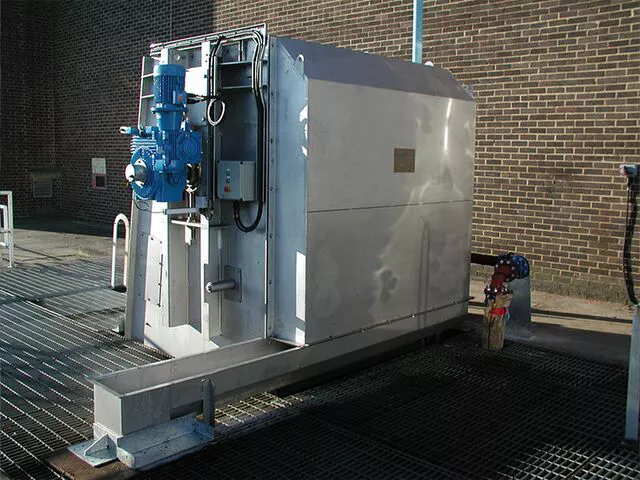
Stationary cooling tower screens help industrial facilities capture debris before it enters pumps, heat exchangers, and other downstream equipment. Installed in the cooling tower basin, these fixed screens provide a physical barrier that supports reliable water flow and helps reduce debris-related maintenance. CTVS offers stationary screens for industrial cooling systems that can be customized to meet facility-specific screening and operating requirements.
Cooling tower efficiency depends on more than heat transfer alone. The right cooling tower screens and valves help maintain water flow, protect critical equipment, and reduce the risk of costly maintenance and unplanned downtime. By preventing debris from entering downstream equipment and supporting effective system operation, these components play an important role in industrial cooling tower performance.
Cooling tower water screens are typically installed in the cold-water basin to capture debris before it enters pumps, heat exchangers, and other equipment. When paired with properly designed cooling tower valves, they help facilities maintain reliable operation and manage maintenance costs.
Why Is Cooling Tower Efficiency Important?
Cooling tower efficiency matters because it helps industrial facilities maintain the water temperatures and flow rates their processes require while limiting avoidable maintenance and operating costs. When a cooling tower system operates as intended, it helps facilities maintain the cooling water temperatures and flow rates their processes require.
Cooling towers remove heat from circulating water, often through evaporation, before returning the cooled water to the facility’s process equipment. Heat exchangers then transfer heat between fluids to support industrial processes.
Several factors can affect overall system performance, including:
- Water flow: Restricted flow can reduce the amount of cooling water reaching critical equipment.
- Debris accumulation: Leaves, sediment, and other contaminants can block water passages and disrupt equipment operation.
- Equipment condition: Damaged or fouled pumps, heat exchangers, screens, and valves can affect system reliability.
- Maintenance requirements: Frequent cleaning, repairs, and shutdowns can increase operating costs.
Preventing debris-related problems is a key step in maintaining cooling tower efficiency, and stable basin conditions help support reliable flow and protect downstream equipment. Properly selected water screens and valves help protect the system and support consistent operation.
How Do Clogged Heat Exchangers Affect Cooling Tower Performance?
Clogged heat exchangers can reduce heat transfer, restrict water flow, and increase maintenance costs. When debris enters a cooling tower’s circulating water system, it can accumulate in heat exchanger tubes and other narrow passages, interfering with normal operation.
In a typical shell-and-tube heat exchanger, one fluid flows through a series of tubes while another flows around them within the shell. Heat passes between the two fluids without directly mixing them.
When debris obstructs the tubes, several problems can develop:
- Reduced heat transfer: Blocked passages and fouling can reduce the heat exchanger’s ability to transfer heat.
- Restricted water flow: Accumulated debris can reduce flow through the tubes, affecting cooling performance.
- Increased maintenance: Operators may need to clean equipment more frequently to restore performance.
- Potential equipment damage: Persistent restrictions and fouling can contribute to operating problems and additional wear.
- Unplanned downtime: Severe obstructions or equipment issues may require repairs that interrupt facility operations.
Preventing debris from reaching the heat exchanger is often easier than addressing a significant blockage after it develops. Installing an appropriate water screening solution at the cooling tower basin can help capture debris before it enters downstream equipment.
How Do Stationary Cooling Tower Screens Protect Industrial Equipment?
Stationary cooling tower screens help protect pumps, heat exchangers, and other downstream equipment by intercepting debris in the cooling tower basin before it enters the circulating water system.
These fixed screens serve as a physical barrier between basin water and the equipment that depends on a reliable water supply. They reduce the debris that can travel through the system and cause obstructions or operational problems.
Key benefits of stationary cooling tower screens include:
- Debris control: Screens capture debris that could otherwise enter pumps and heat exchanger tubes.
- Equipment protection: Reducing debris ingestion helps limit the risk of blockages and related equipment problems.
- Improved operational reliability: Keeping debris out of critical water passages helps maintain consistent system performance.
- Reduced maintenance demands: Effective screening can reduce debris-related cleaning and maintenance needs.
- Support for cooling tower efficiency: Protecting water flow and downstream equipment helps the overall cooling system operate more reliably.
The right screen depends on the cooling tower’s configuration, the type and amount of debris present, and the system’s operating requirements. Screen design and maintenance also matter to keep the screen from becoming excessively obstructed. Regular inspections can help identify when clogging, reduced flow, or recurring buildup signals a need for screen repair or replacement.
CTVS provides stationary cooling tower screen solutions designed to help facilities protect downstream equipment and manage debris in industrial cooling tower systems.
How Do Cooling Tower Valves Support System Efficiency?
Cooling tower valves help regulate, direct, or isolate water flow within the cooling system. When properly selected and maintained, they support effective water distribution and give operators greater control over system operation.
Valve performance matters because industrial cooling systems rely on appropriate flow conditions to transfer heat and supply process equipment. An unsuitable or poorly functioning valve can cause flow restrictions, operational inefficiencies, or maintenance issues.
High-quality cooling tower valves can help facilities:
- Manage water flow: Appropriate valve selection supports the system’s flow requirements.
- Maintain reliable operation: Properly functioning valves help support consistent system performance.
- Simplify maintenance: Suitable valve designs can make inspection, servicing, and component replacement more manageable.
- Support equipment protection: Effective flow management can help the cooling system operate within its intended conditions.
Valve selection should account for the system’s flow requirements, operating pressures, water conditions, and installation specifications. Proper sizing and maintenance are essential to achieving the intended performance.
CTVS offers cooling tower valves designed for industrial cooling applications. The right valve can help facilities meet current system needs while supporting reliable operation.
How Can Cooling Tower Screens and Valves Reduce Maintenance Costs?
Cooling tower screens and valves can reduce maintenance costs by preventing preventable flow restrictions, equipment problems, and system disruptions. While no component eliminates every maintenance need, selecting the right products can help facilities manage common operational risks.
For example, a properly designed water screen can capture debris before it reaches a heat exchanger or pump. Appropriate valves help maintain intended flow conditions and let operators manage the system more effectively. Because stationary screens can accumulate debris over time, traveling and fixed cooling tower screens differ in their maintenance needs.
Together, these components can help facilities:
- Reduce the risk of debris-related blockages.
- Limit avoidable cleaning and repair work.
- Protect critical cooling system components.
- Reduce the likelihood of certain equipment-related interruptions.
- Support more predictable maintenance planning.
Facilities should also regularly inspect screens and valves for wear, damage, buildup, or other conditions that could affect performance. Basin screens capture debris already in the water, while air intake screens help keep airborne debris from entering the cooling tower. Preventive maintenance, combined with properly selected components, is key to keeping cooling tower systems operating reliably.
How Can You Improve Cooling Tower Performance?
Cooling tower efficiency depends on the entire system, including the components that protect and control circulating water. Stationary water screens help keep debris away from critical equipment, while properly selected cooling tower valves support effective flow management.Together, these components can help facilities reduce preventable maintenance issues and support reliable industrial operations.
CTVS provides cooling tower screens and valves designed to address the demands of industrial cooling systems. Whether you are upgrading existing equipment or evaluating solutions for a new installation, choosing components that fit your system’s requirements is an important step toward long-term performance.w the available cooling tower screen replacement options to see how a traveling sump screen may fit into your current installation.