
Cooling Tower Valves: Choosing the Right Partner for Industrial Applications
October 23, 2025
Mastering Water Flow Control: How Vari-Flow Valves Transform Cooling Tower Efficiency
November 14, 2025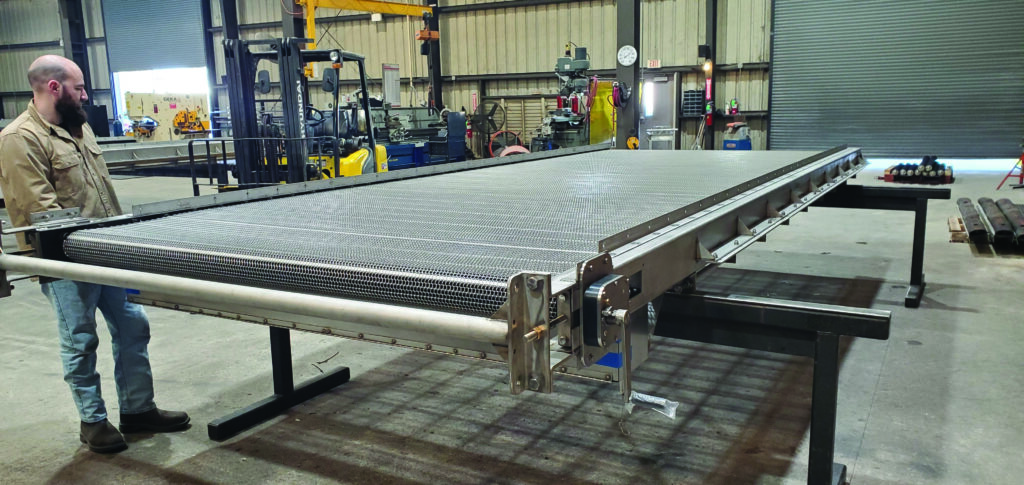
Cooling towers across the Gulf Coast face some of the toughest operating conditions in the country. High humidity, salt air, and heavy debris loads can push fixed screen systems to their limits. For many refineries and industrial plants, upgrading from traditional fixed screens to Variflow traveling screens offers a long-term solution that improves performance, reduces maintenance, and minimizes costly downtime.
Why Cooling Tower Fixed Screens Struggle in Gulf Coast Conditions
Fixed screens are designed to trap debris before it enters the cooling water system. While simple and low-cost, they require frequent manual cleaning, especially in the Gulf Coast, where organic growth, silt, and debris accumulate quickly. When these screens clog, flow is restricted, pump performance drops, and the risk of unplanned shutdowns increases. Corrosion from salt-laden air only makes the problem worse, often requiring premature replacement.
Advantages of Upgrading to Traveling Screens for Your Cooling Tower
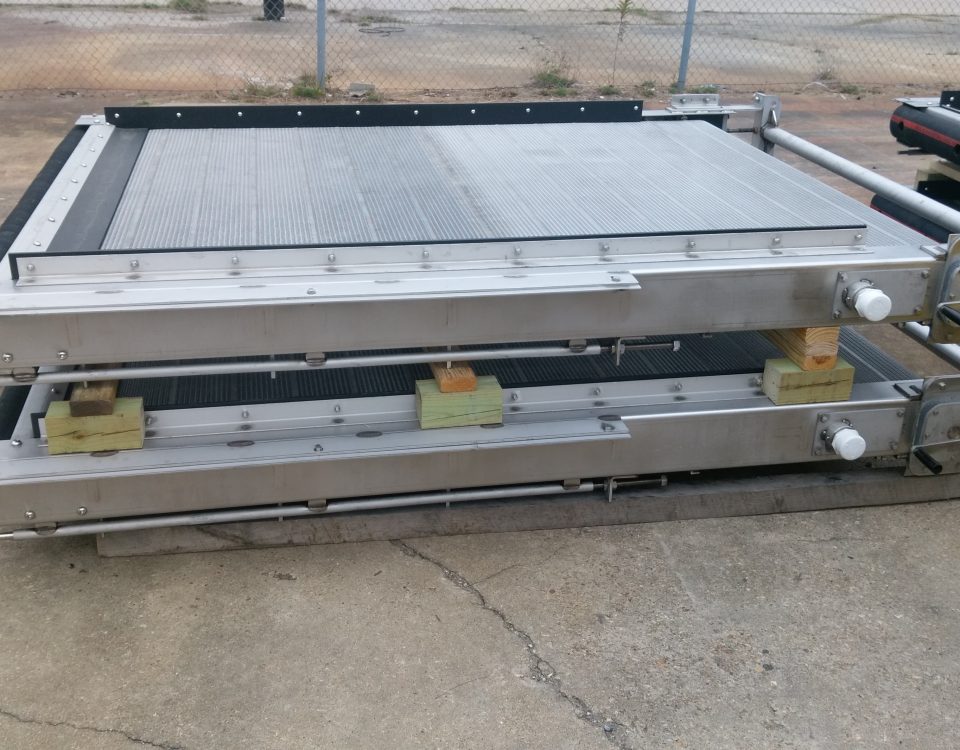
Traveling screens automate the cleaning process. These continuous or intermittent systems use rotating mesh panels that lift debris out of the water and rinse it away, maintaining consistent flow and efficiency. The key benefits include:
- Reduced maintenance: Automated debris removal minimizes manual cleaning and downtime.
- Improved flow efficiency: Constant debris management helps maintain optimal performance.
- Enhanced safety: Workers avoid manual screen cleaning in confined or hazardous areas.
- Extended equipment life: Reduced debris means less wear on pumps, valves, and distribution systems.
How to Choose the Right Traveling Screen System
When selecting or upgrading a screen system, you should evaluate several important design factors:
- Debris load and type: Determine the size, quantity, and nature of debris (leaves, shells, silt) to select the right mesh size and cleaning frequency.
- Flow rate and velocity: Proper sizing ensures adequate throughput without compromising screening efficiency.
- Material selection: For coastal or high-humidity environments, grades like 304L and 316L stainless steel, duplex stainless, or non-metallic composites provide the best corrosion resistance.
- Screening mechanism: Choose between continuous or intermittent traveling designs based on water quality and debris characteristics.
- Maintenance access: Design for easy inspection, bearing lubrication, and drive maintenance to minimize future service interruptions.
Maintenance Tips to Keep Cooling Tower Traveling Screens Operating Efficiently
Even automated systems require routine care to stay effective. Recommended inspection intervals include:
- Weekly: Check for debris buildup and ensure spray systems are operating correctly.
- Quarterly: Inspect chain drives, bearings, and seals for wear or misalignment.
- Annually: Perform a full cleaning, alignment verification, and material integrity review.
Following a consistent maintenance plan helps extend the lifespan of traveling screens and maintain consistent cooling performance.
Why Upgrading Your Cooling Tower Traveling Screens Is a Smart Investment for Gulf Coast Refineries
Upgrading from fixed to traveling screens is more than an equipment change; it’s a strategic investment in uptime, safety, and long-term reliability. For Gulf Coast refineries where heat, humidity, and debris are constant challenges, this upgrade leads to fewer shutdowns, lower energy costs, and improved overall cooling system efficiency.