
Why Does Cooling Tower Equipment Age Faster Than Expected in Industrial Facilities?
March 17, 2026
Cooling towers are built to withstand demanding industrial environments, but over time, components wear down, efficiency declines, and maintenance requirements increase. When performance issues begin to affect operations, facility managers must decide whether to retrofit existing equipment or move forward with full replacement.
In many cases, performance issues are not caused by the entire cooling tower system, but by specific components such as valves, screens, or water distribution equipment. Identifying whether targeted upgrades can resolve these issues is key to avoiding unnecessary replacement costs.
When Is a Cooling Tower Retrofit the Right Solution?
A cooling tower retrofit is often the most practical solution when the overall system structure remains in good condition, but certain components are limiting performance.
Retrofits are typically the right choice when:
- The tower structure remains structurally sound
- Performance issues are isolated to flow control or debris management
- Existing valves or screens are outdated or inefficient
- Maintenance demands are increasing but still manageable
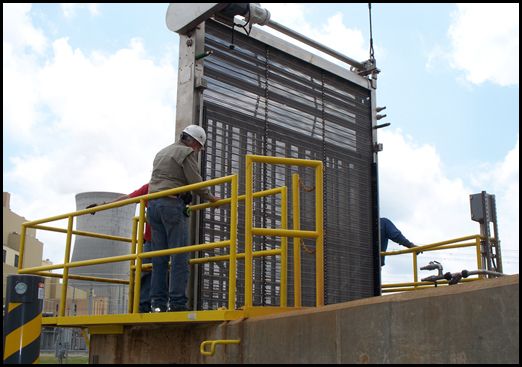
Upgrading components such as cooling tower valves and traveling sump screens can significantly improve system performance without requiring a full rebuild. In many retrofit projects, replacing outdated distribution valves with engineered Vari-Flow valves helps restore consistent water flow, while upgraded screening systems reduce debris-related strain on pumps and downstream equipment.At CTVS, retrofit solutions are designed to integrate with existing cooling tower systems, allowing facilities to upgrade critical components without the cost and disruption of full replacement.
When Does Cooling Tower Replacement Become Necessary?
While retrofits can address many performance issues, there are situations where full replacement is the more effective long-term solution.
Replacement becomes necessary when:
- The cooling tower structure is deteriorating or compromised
- Multiple system components are failing simultaneously
- Performance issues extend beyond individual components
- Cooling tower downtime is becoming frequent and unpredictable
- The system cannot support modern upgrades or retrofit solutions
In these cases, continuing to replace individual components may only provide short-term improvements. When structural integrity or system compatibility becomes a concern, full replacement may be the more reliable option.
What Factors Should Be Considered When Choosing Between Cooling Tower Retrofit and Replacement?
Choosing between retrofit and replacement requires a clear understanding of both current system performance and long-term operational goals.
Facilities should evaluate:
System Condition
Is the issue limited to specific components such as valves or screens, or is the entire system showing signs of wear?
Downtime Risk
Can performance be stabilized with targeted upgrades, or are failures becoming more widespread?
Cost Over Time
Will replacing key components extend system life, or will ongoing repairs lead to higher long-term costs?
Performance Expectations
Is the goal to restore baseline performance or improve efficiency and reliability across the system?
In many cases, facilities find that targeted upgrades to flow control and screening systems, such as replacing aging valves or upgrading to continuous debris-removal screens, can resolve performance issues without requiring a full replacement.
How Can Cooling Tower Upgrades Extend Equipment Life?
Strategic upgrades can significantly extend the lifespan of a cooling tower system when applied to the right components.
Replacing outdated valves with engineered solutions such as Vari-Flow valves improves water distribution and reduces system strain. At the same time, upgrading to traveling sump screens helps prevent debris from entering pumps and circulating through the system, reducing wear on critical components and improving overall reliability.
CTVS designs and manufactures cooling tower valves and screening systems specifically for retrofit applications, allowing facilities to upgrade performance-critical components without reconfiguring the entire system. By focusing on flow control and debris management, these upgrades help reduce maintenance demands, improve efficiency, and extend the usable life of existing cooling tower systems.
For many facilities, the right retrofit approach provides a practical path forward that improves performance and reliability without the cost and disruption of full system replacement.