
Cooling Tower Water Screens: Protecting Industrial Cooling Systems from Costly Downtime
February 19, 2026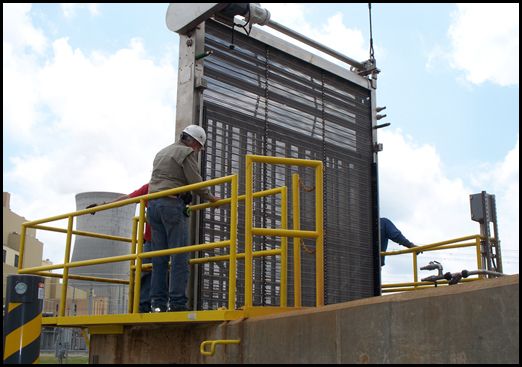
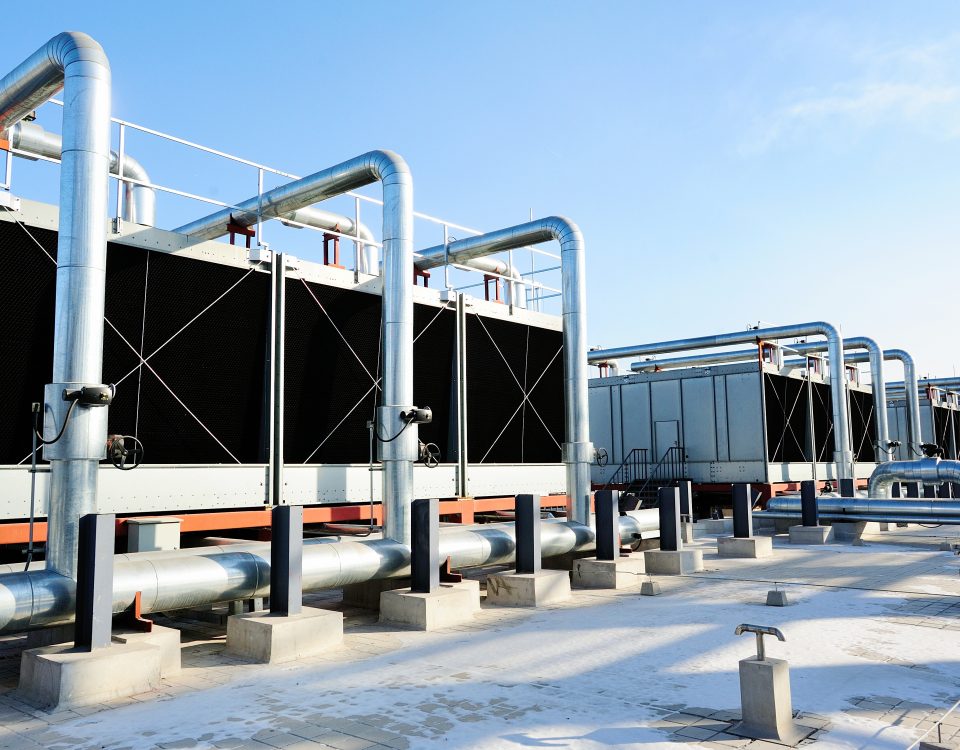
Cooling towers are critical infrastructure in chemical plants, refineries, power facilities, and manufacturing operations. When cooling performance drops, production efficiency, maintenance costs, and plant uptime are directly affected.
Knowing when to upgrade cooling tower equipment helps facilities prevent downtime, reduce operating costs, and maintain reliable cooling performance.
Why Does Cooling Tower Equipment Age Faster Than Expected?
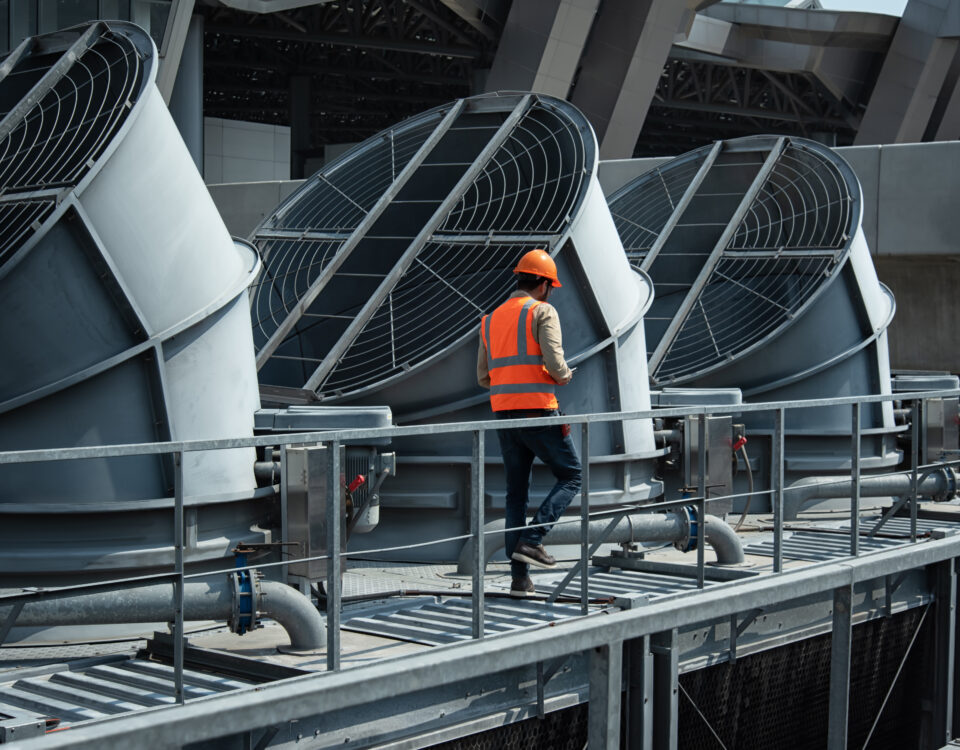
Cooling tower components operate continuously in environments with moisture, heat, and contaminated air. Over time, corrosion, exposure to debris, and mechanical wear degrade system performance.
Facilities commonly see:
• Corroded or worn components
• Valve performance decline
• Reduced cooling capacity
• Increased cooling tower maintenance frequency
• Higher risk of unexpected shutdowns
At a certain point, maintaining aging components costs more than replacing them.
What Warning Signs Indicate Cooling Tower Equipment Needs Upgrading?
Most cooling failures are predictable. Operators often notice performance changes before major failures occur. Here are some performance changes to watch for.
Frequent Maintenance Interruptions
Repeated repairs signal components nearing end-of-life.
Reduced Cooling Efficiency
If process temperatures rise or cooling struggles to keep up with demand, flow or screening problems may occur.
Rising Maintenance Costs
Increasing repair budgets usually indicate aging infrastructure.
Debris and Flow Problems
Facilities lacking modern cooling tower screening systems often experience clogged exchangers and pump strain.
Parts Availability Issues
Older components may no longer have readily available replacement parts.
Should Facilities Upgrade Components or Replace Cooling Towers?
Full tower replacement is often unnecessary. Targeted upgrades typically restore performance at lower cost and with less disruption.
Common upgrades include:
• Installing modern cooling tower water screens
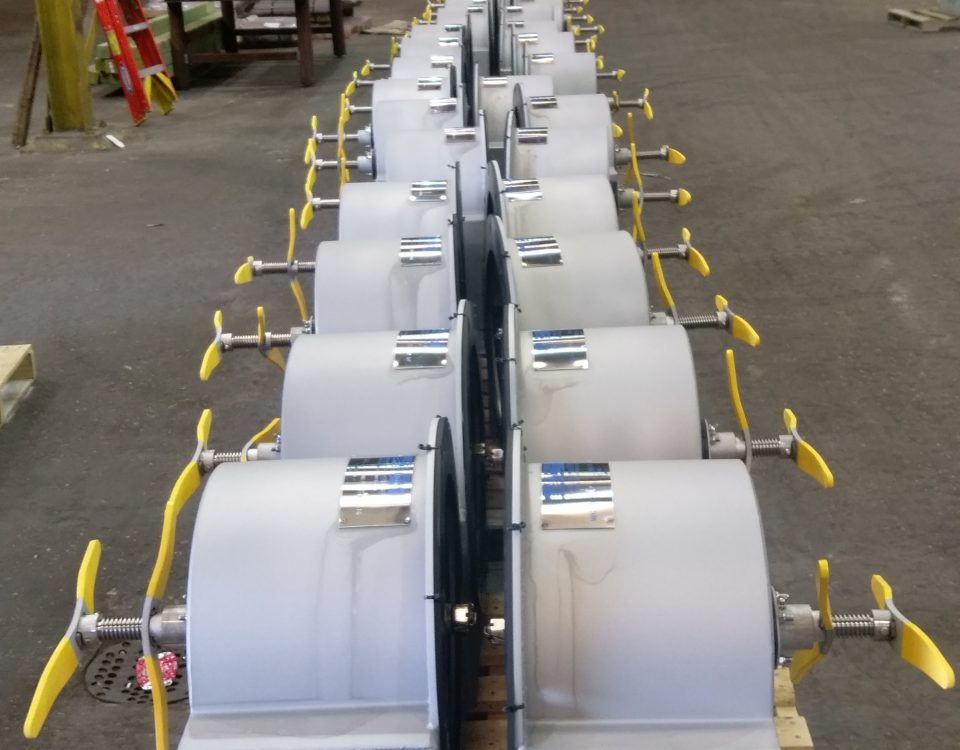
• Upgrading to high-performance Vari Flow cooling tower valves
• Replacing worn distribution components
• Improving debris and flow management
• Updating aging controls
Strategic upgrades allow plants to improve reliability without major shutdowns.
What Benefits Can Cooling Tower Upgrades Bring to Facilities?
Facilities often experience immediate improvements.
Improved Cooling Efficiency
Modern screens and valves improve flow and heat transfer performance.
Reduced Downtime
Debris and flow control upgrades reduce unexpected shutdowns.
Lower Operating Costs
Improved efficiency reduces maintenance and energy expenses.
Extended Equipment Life
Upgrades protect pumps and heat exchangers from premature wear.
Improved Production Reliability
Consistent cooling supports uninterrupted operations.
How Should Facilities Plan Cooling Tower Equipment Upgrades?
Most cooling tower upgrade projects begin with system evaluation.
Typical planning steps include:
• Reviewing cooling performance trends
• Inspecting screens and valves
• Evaluating maintenance records
• Identifying debris or flow restrictions
• Prioritizing upgrades with the greatest impact
Facilities often begin modernization by replacing components that cause recurring maintenance or flow problems.
Frequently Asked Questions About Cooling Tower Upgrades
How long do cooling tower components typically last?
Most components last 10 to 20 years, depending on environment, maintenance, and operating conditions.
What causes most cooling tower performance problems?
Debris intrusion, poor water flow control, corrosion, and aging valves are common causes.
Can upgrades be performed without shutting down operations?
Many component upgrades can be completed during planned maintenance windows with minimal disruption.
Which upgrades deliver the fastest return on investment?
Upgrading screens and flow control valves typically produces the fastest maintenance and performance improvements.